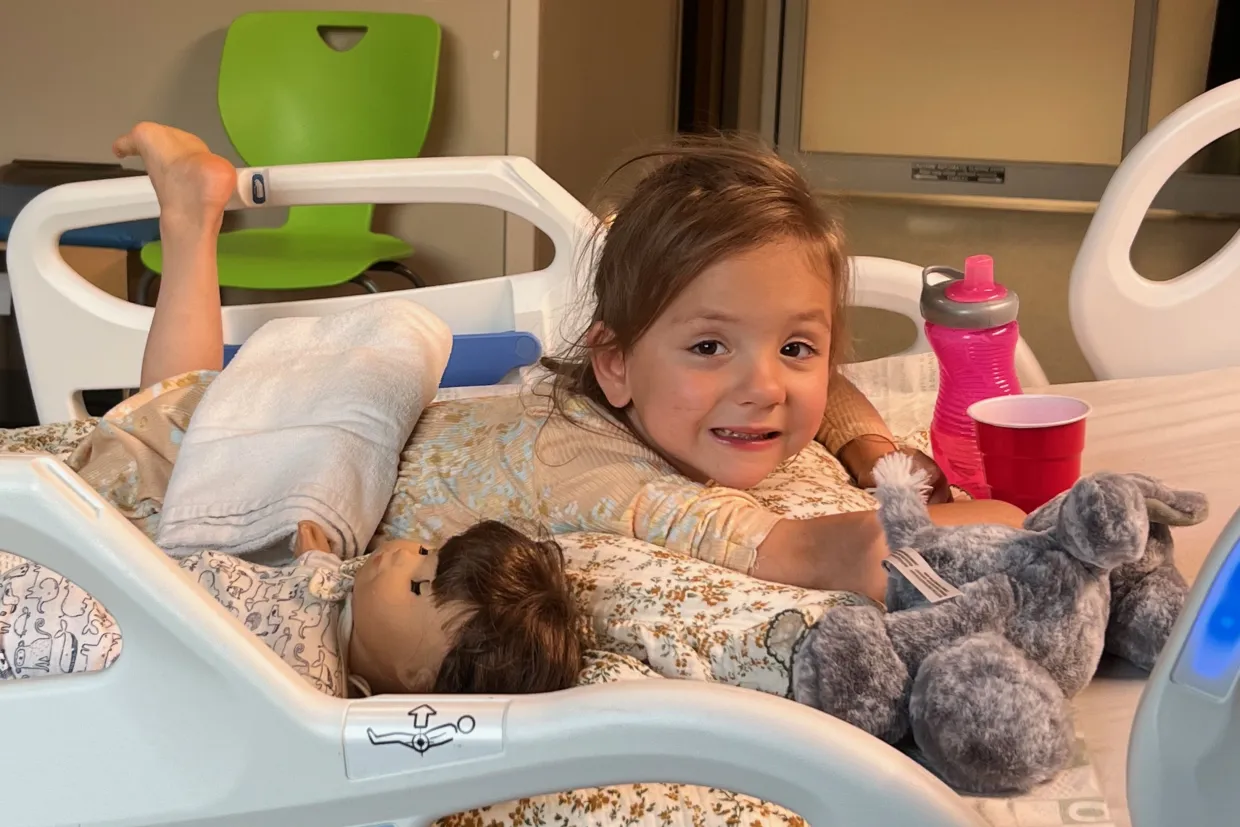
Shyra W. was just 15 weeks pregnant with twins when she began dilating — a sign that labor could start dangerously early.
“My doctors told me they were going to come early,” says Shyra, who requested that their family’s last name not be used in this story. “So, every day we prayed for one more day of being pregnant.”
Because survival rates for babies born before 23 weeks are extremely low,…
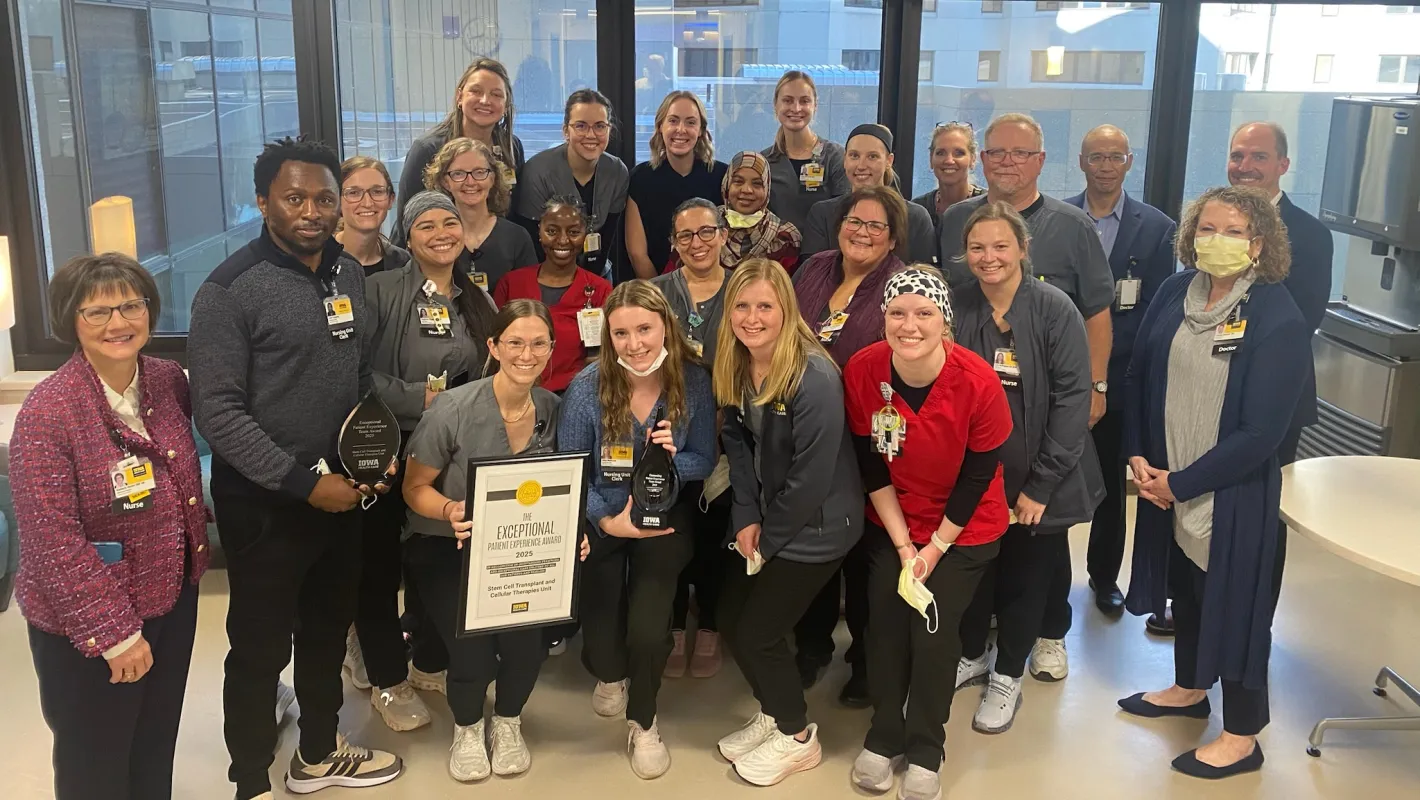
Improving patient experience for inpatients is a top priority for UI Health Care. To highlight our teams making a positive impact, the Office of the Patient Experience created additional awards to recognize excellence and improvement efforts in four strategic areas. These team awards are based on patient feedback from a nationwide survey.
“Every interaction with a patient reflects our…
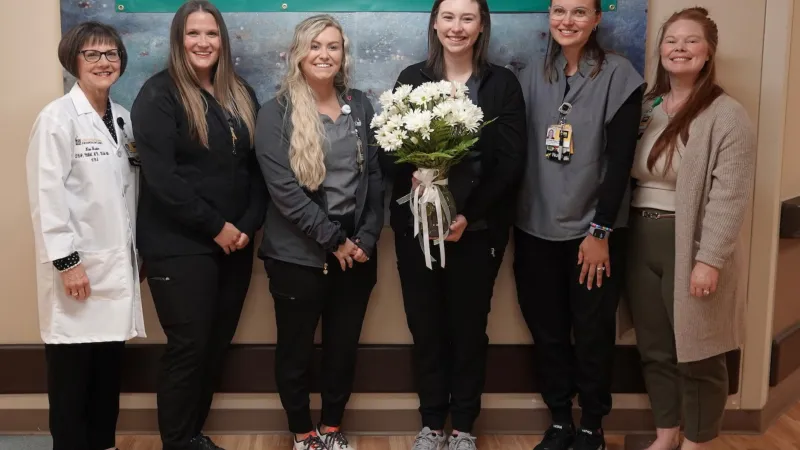
For Samantha Rosonke, DNP, ARNP, nursing is grounded in three guiding principles: being an active listener, being a safe and trusted advocate, and showing empathy.
When Liz Pearson looks back on the earliest days of her 11-year old daughter Penelope’s cancer treatment, one detail stands out: University of Iowa students volunteering with Dance Marathon.
Understanding tachycardia: Causes, symptoms, and effective treatments
Feb. 09, 2026
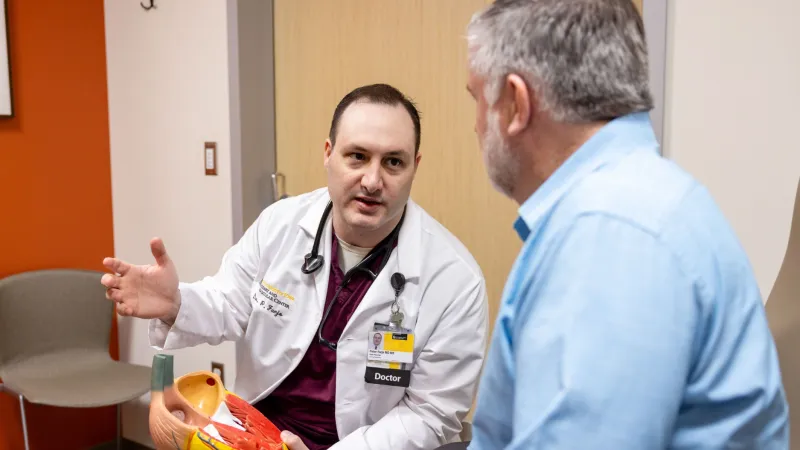
Tachycardia is a condition that causes the heart to beat faster than normal—typically more than 100 beats per minute.
A joint replacement, or arthroplasty, replaces damaged parts of a joint, often the knee or hip, with artificial implants designed to restore mobility, strength, and stability.
It was a moment full of tears, handshakes, and hugs as the family of Owen Meyer met with the medical professionals who helped save his life last December.
Meyer, of Sabula, Iowa, experienced a sudden heart attack while working at a remote construction site near Clinton, Iowa. It wasn’t long before he would find himself being flown by the Quad Cities’ AirCare team, providing University of…
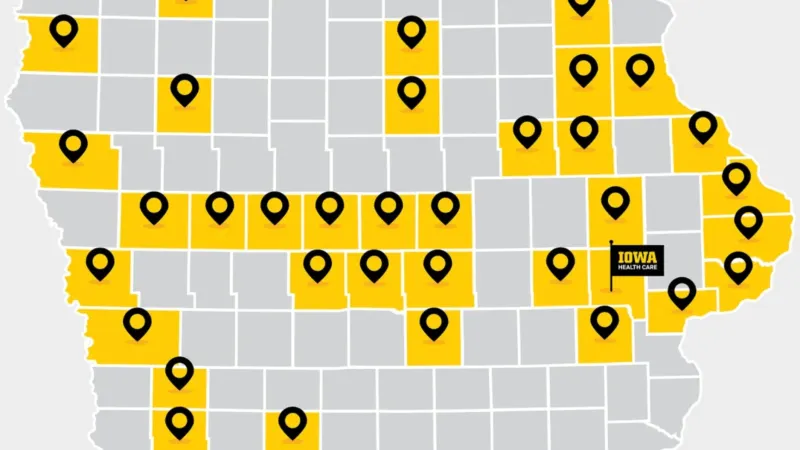
Health care providers, community agencies, and other professionals that help Iowans with intellectual and developmental disabilities are now supported by a free telehealth program hosted by the University of Iowa.
Nominations for the 2026 cohort of Kid Captains are open until Friday, March 13, for current or former pediatric patients of Stead Family Children’s Hospital ages 18 and younger. Only parents and legal guardians may nominate their child.