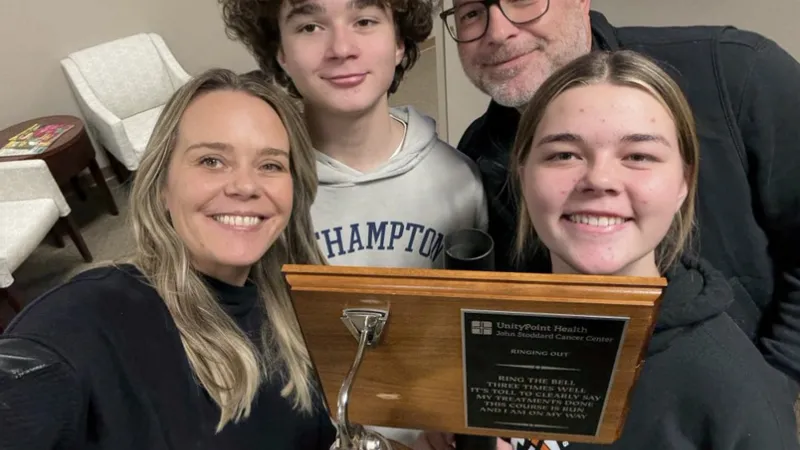
Breast cancer survivor Meghan McConville shares how she felt seen, heard, and understood by her care team at Mission Cancer + Blood, part of University of Iowa Health Care.
When Kaelyn O’Brien couldn’t walk down the hallway and her speech became slurred one morning, her parents thought their 11-year-old daughter was having a stroke.
“She was a very healthy kid, no issues,” says Kaelyn’s mom, Tammy. “Everything was perfectly fine up until that point."
A patient’s visit to labor and delivery for an unexpected complication quickly became a day that Ashley Patterson, BSN, RN, staff nurse, will never forget.
At just 28 weeks pregnant, the patient presented with complications from a placenta previa and accreta. ... Patterson immediately began assessing and monitoring the patient closely, knowing these conditions could lead to a catastrophic…
Four family members combine 48 years of service within the nursing department at University of Iowa Health Care. The patients, culture, and each other keep them reaching for more.
Flu, COVID-19, and respiratory syncytial virus, or RSV, can disrupt school, work, travel, and family plans. For some people, these infections can also lead to hospitalization or other serious complications.
Preparing before respiratory virus season begins can lower your risks.
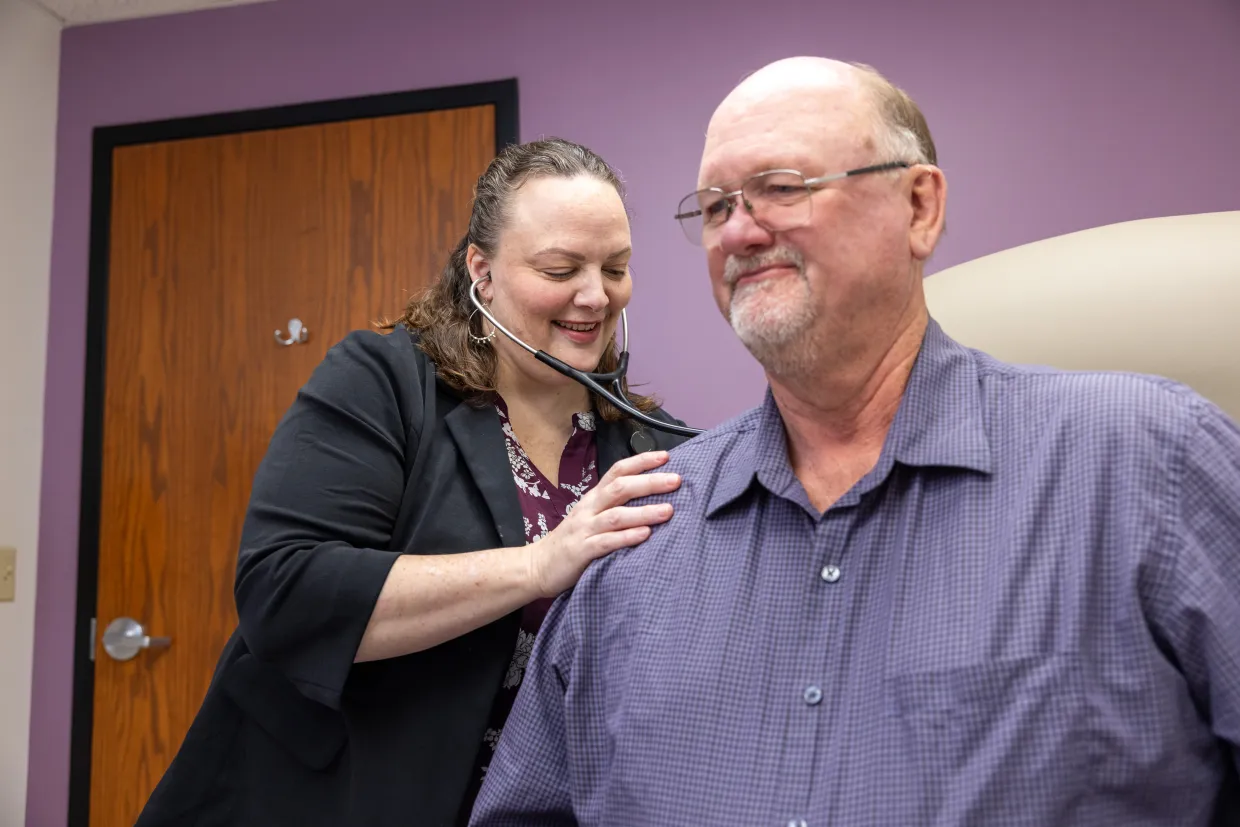
When cancer patients in rural Iowa need treatment, the journey often involves more than a diagnosis. Repeated trips for surgery, chemotherapy, radiation, and follow-up care can create financial strain, disrupt work and family life, and make it harder for patients to stay on track with treatment.