At University of Iowa Health Care Stead Family Children’s Hospital’s Pediatric Craniofacial Clinic, Bodhi received specialized care, surgery, and helmet therapy that helped him grow into the vibrant little boy he is today.
For many men, finishing prostate cancer treatment marks a major milestone — but it’s also the start of a new journey. Life after treatment brings its own challenges, including physical recovery, emotional adjustment, and ongoing health monitoring. At UI Health Care, you can count on a supportive, personalized approach to survivorship.
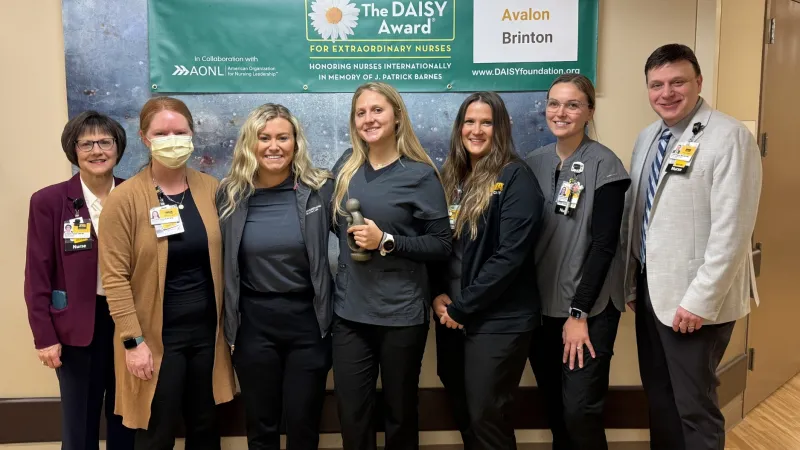
Not long ago, UI Health Care nurse Avalon Brinton was cleaning out her desk when she stumbled across a paper from nursing school – a short assignment detailing her “nursing philosophy.” Back then, it felt like just another assignment on a long list of requirements. Now, more than a year into her first job as a cardiovascular intensive care nurse, her words as a student served as a powerful…
After years of monitoring a leaky heart valve, worsening fatigue led one Iowa man to surgery. At UI Health Care, a minimally invasive approach helped him recover faster and get back to daily life.
Crystal Christensen, BSN, RN, CCRN, treats some of the sickest patients in her role as a staff nurse in the Medical Intensive Care Unit (MICU) at the university campus. Her days are rarely the same, caring for patients with complex health problems like blood infections, cancer, gastrointestinal issues, and more. But for Christensen, the goal remains the same — provide the best possible care for…
Beginning July 5, University of Iowa Health Care will offer consistent hours across all Quick Care and Urgent Care locations. Each clinic will be open from 7 a.m. to 7 p.m. (CT), seven days a week.
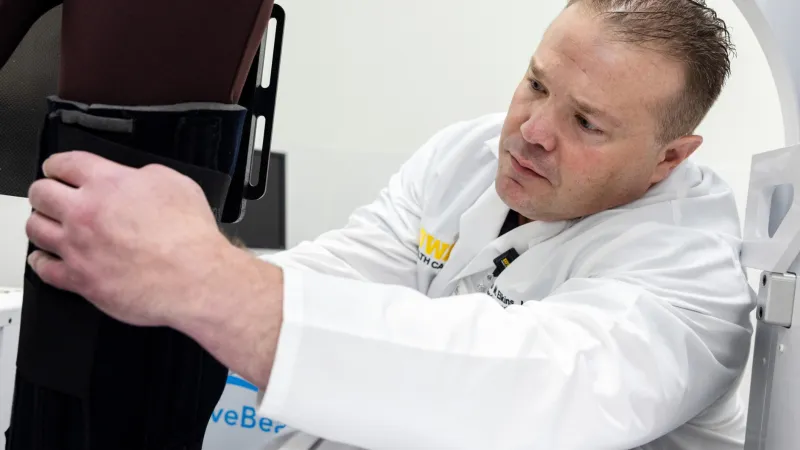
Jacob Elkins, MD, and his team are using biomechanics to move beyond BMI and expand access to hip and knee arthroplasty.
Surgeries to treat hip and knee arthritis are among the most successful in medicine, boasting success rates over 90% and dramatically improving quality of life. Yet for patients with a body mass index (BMI) over 40, access to surgery is often denied due to higher…
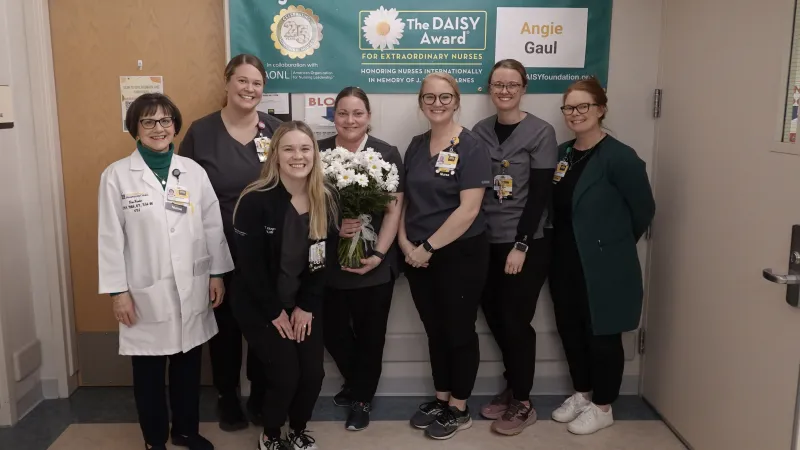
In the fast-paced, high-stakes environment of the Surgical and Neurosciences Intensive Care Unit (SNICU), Angie Gaul, BSN, RN, works to make a difference for patients and their families each shift. That commitment was especially evident when she cared for a patient injured in a car accident who was brought to the university campus for urgent treatment.
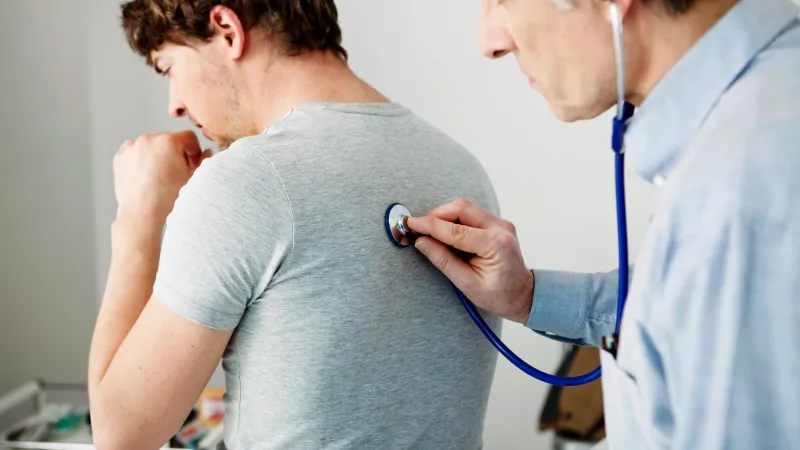
Quitting smoking is one of the best decisions you can make for your health. But do past smoking habits continue to put you at risk for lung cancer, even after you’ve quit?
Mackenzie Sagers, a 17-year-old from Cedar Falls, Iowa, first noticed that something was wrong in middle school while playing basketball.
“It was a pain in my knee,” she says. “I knew that something just was off.”
There was no single fall or one moment that explained it.
“It just started hurting,” she says.