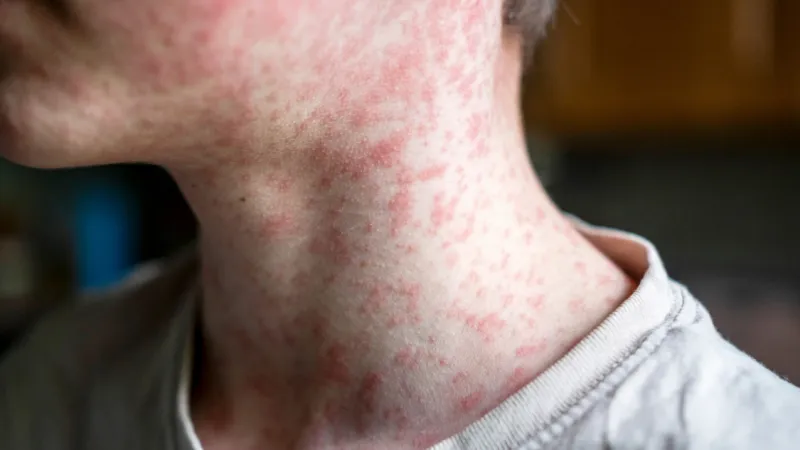
Measles, a highly contagious disease, is once again making headlines in the United States due to the increase in cases across most U.S. states, including Iowa.
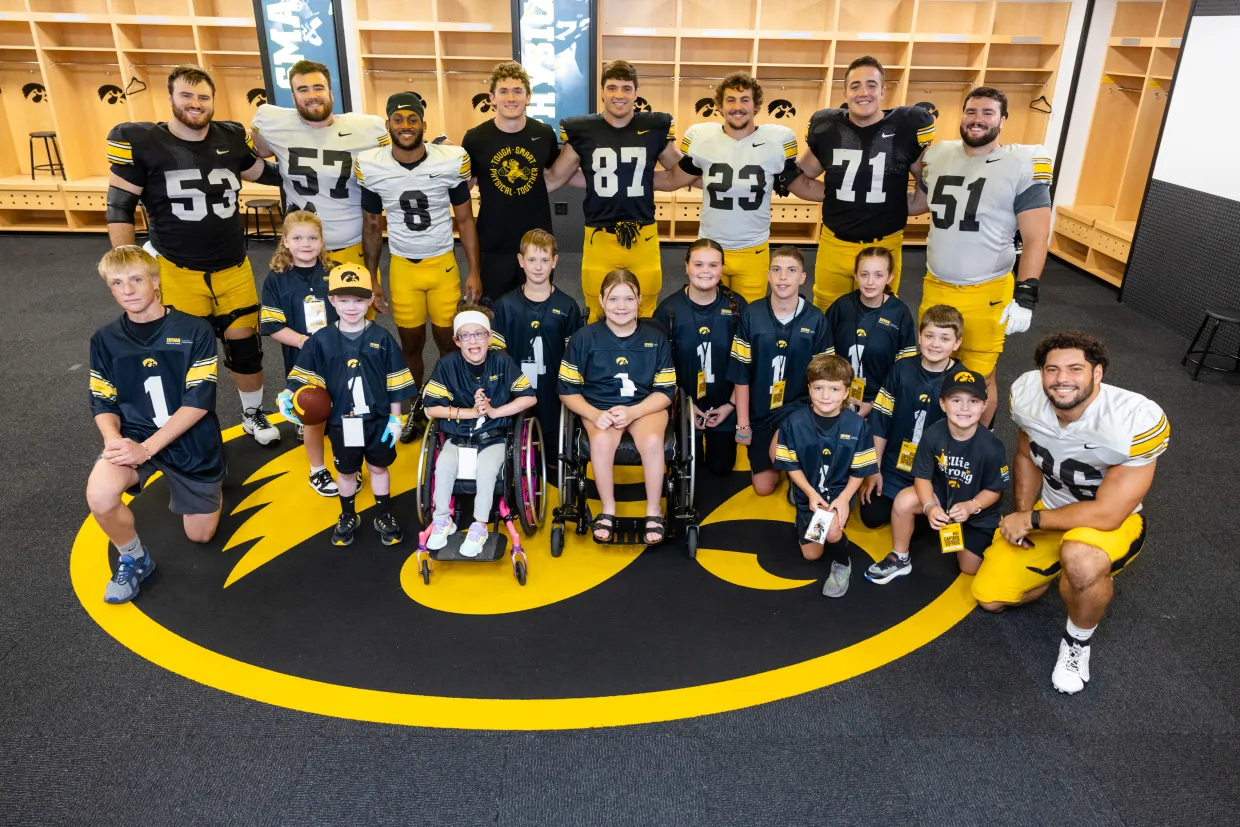
As the back-to-school season approaches, Stead Family Children’s Hospital Injury Prevention Team and Safety Store offer some tips to help keep children safe throughout the school year.
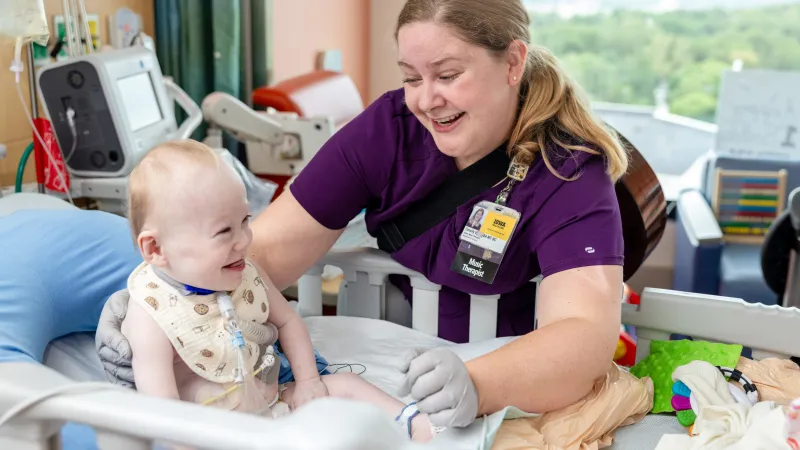
Andrew Thomsen, BSN, RN, brings together skill, heart, and a little bit of fun in a way that a patient’s mother described as “heartwarming and awe-inspiring.”
Andrea Moncada, RN, can pinpoint the exact moment when she decided she wanted to become a nurse: While in labor with her first child, she was inspired by the care and respect she received from one of the labor and delivery nurses.
“She was understanding and compassionate. She made me feel good about the entire experience,” Moncada says.
For the third-straight year, University of Iowa Health Care was ranked the No. 1 “most humanizing” health care brand in the United States, according to a recently published brand report drawing on in-depth research from more than 29,000 consumers. The Humanizing Brand Experience report by the brand experience company Monigle ranks more than 220 brands across 75 markets with consumers ranking…
University of Iowa Health Care’s MAT (Medication for Addiction Treatment) Mobile Clinic is helping Iowans access life-saving treatment while also training local providers to continue the work long after the van drives away.
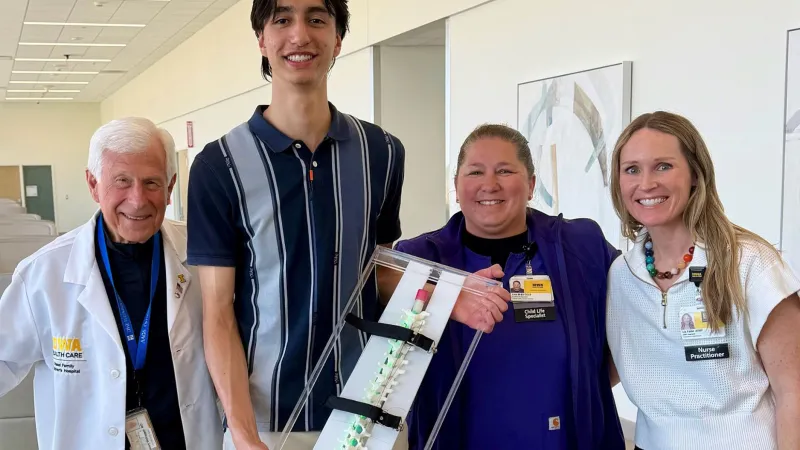
A scoliosis brace can often help a young person avoid surgery.
But only if it’s worn.
For many young patients, that means wearing a rigid plastic brace for up to 16 hours a day over the course of two to three years — a difficult commitment for adolescents already navigating school, activities, and concerns about body image.
Ryan Dwars is still processing the events that unfolded since March 2021 when he was diagnosed with pancreatic cancer. The countless hospital treatments. The time away from his kids. The friends he’s lost to the disease.
As soon as she laid eyes on them, Rebecca Chuffo Davila, DNP, ARNP, felt an immediate connection to two new parents whose twins were born prematurely. They were staying in the Neonatal Intensive Care Unit (NICU) at UI Health Care’s university campus.
“We looked at each other, and it was instant. I knew I had to take care of the parents, and the babies,” Chuffo Davila says.